Physically Based Lighting in Unreal Engine 5: from theory to practice
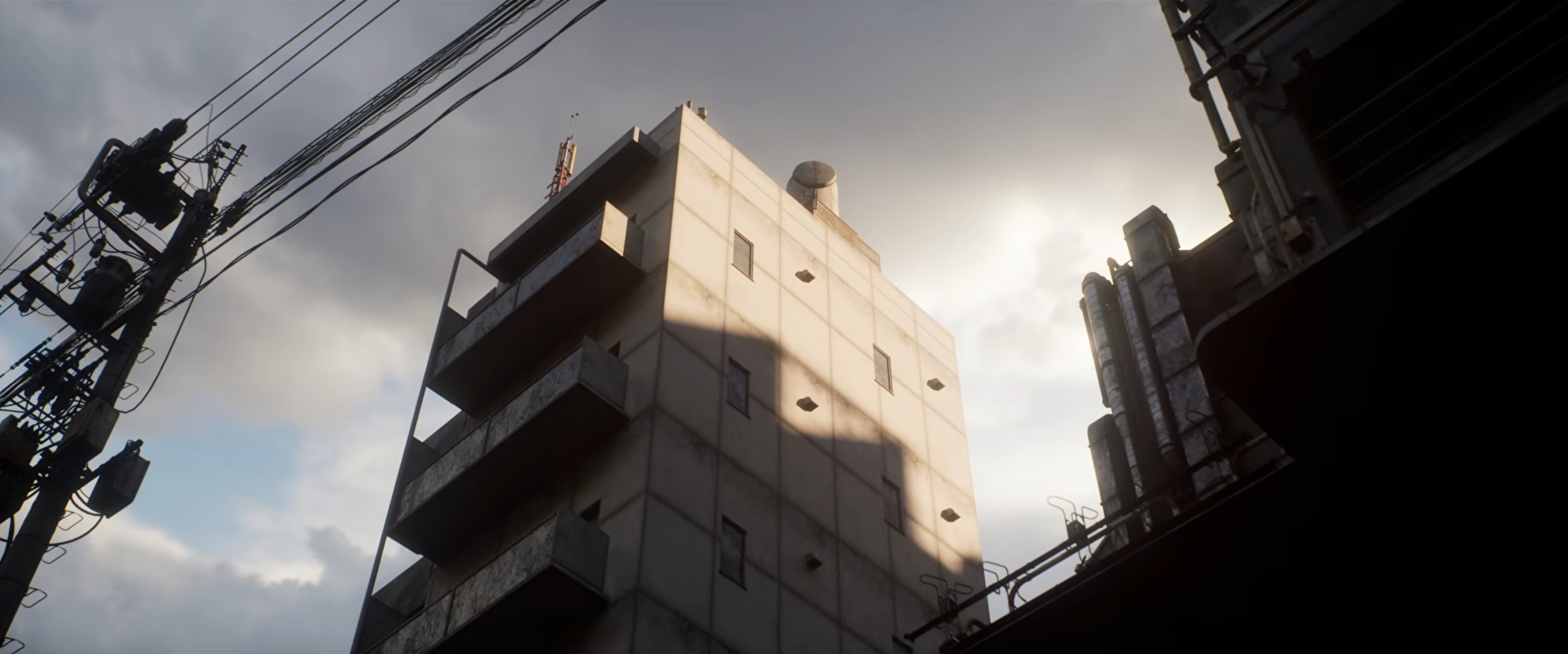
Arthur Tasquin's series dedicated to Physically Based Lighting (PBL) in Unreal Engine 5 continues with a new episode that delves into the practical application of this approach to lighting.
After introducing the fundamental concepts in the first part, Tasquin shows how to use real physics values to build more consistent, predictable, and realistic lighting setups.
Through a series of practical examples and case studies, the video analyzes the behavior of light within Unreal Engine 5, highlighting both the advantages of the PBL workflow and some of the challenges that artists can encounter during production.
The goal is to develop a working methodology based on measurable parameters, capable of improving visual consistency and simplifying the lighting process in the most complex scenes.
If you missed the first in-depth analysis, the article dedicated to the first part of the series is available on our blog here.
Furthermore, for those who want to start from the basics or catch up on previous content, we have also uploaded the first complete episode on the platform here .
A useful resource for lighting artists, environment artists, technical artists and for all Unreal Engine users interested in understanding the principles of physically correct lighting more deeply.
You can purchase the plugin here.
Latest posts
Buona la Prima - Episodio 67
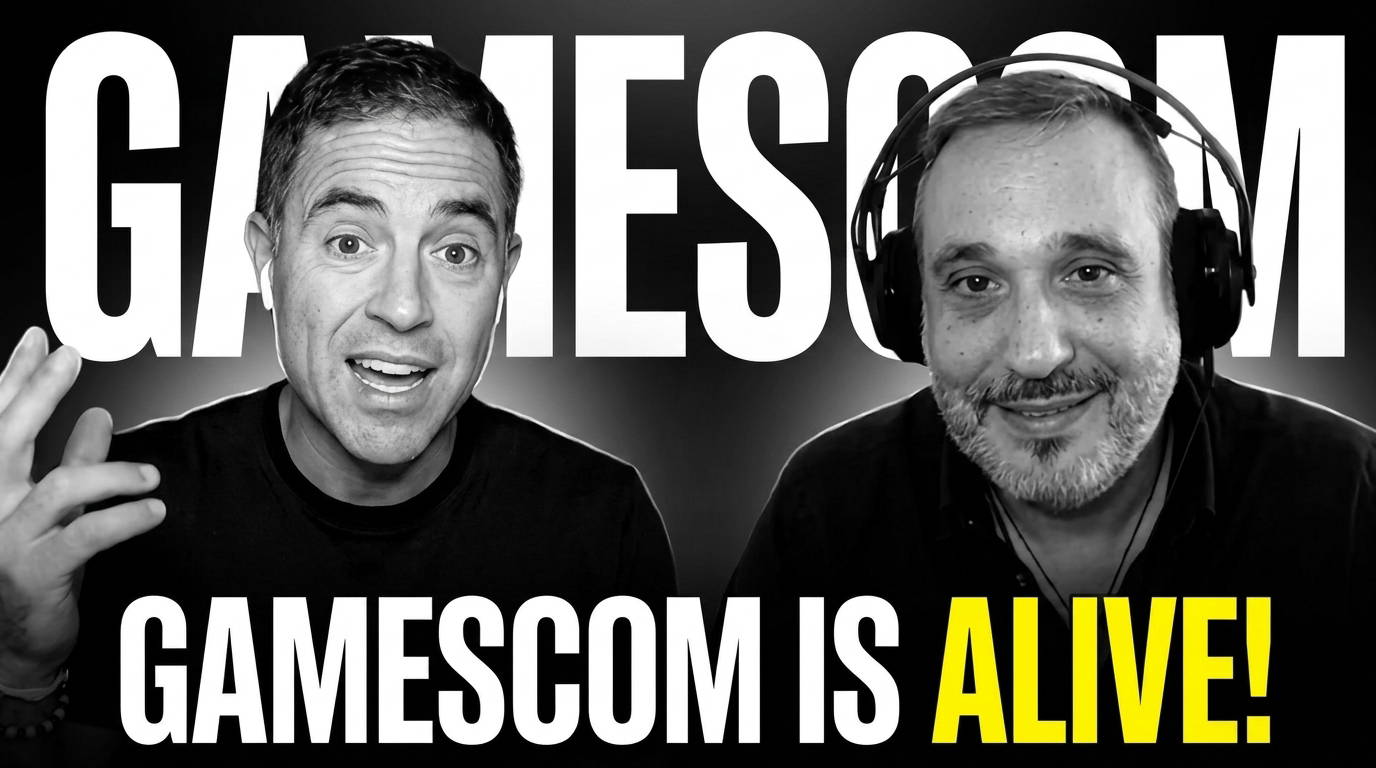
Gamescom 2026 shows signs of recovery for the video game industry: more professionals, more indie studios, and greater interest in AI and automation. Between optimism and transformation, the sector is once again looking to the future with confidence.

Buona la Prima - Episodio 66
Sony Tax, PS6, and the future of gaming: Pietro Faccio and Sergio Rocco analyze the shift from physical to digital, the role of subscriptions, and how the used market could change the real cost of video games.
Buona la Prima - Episode 65
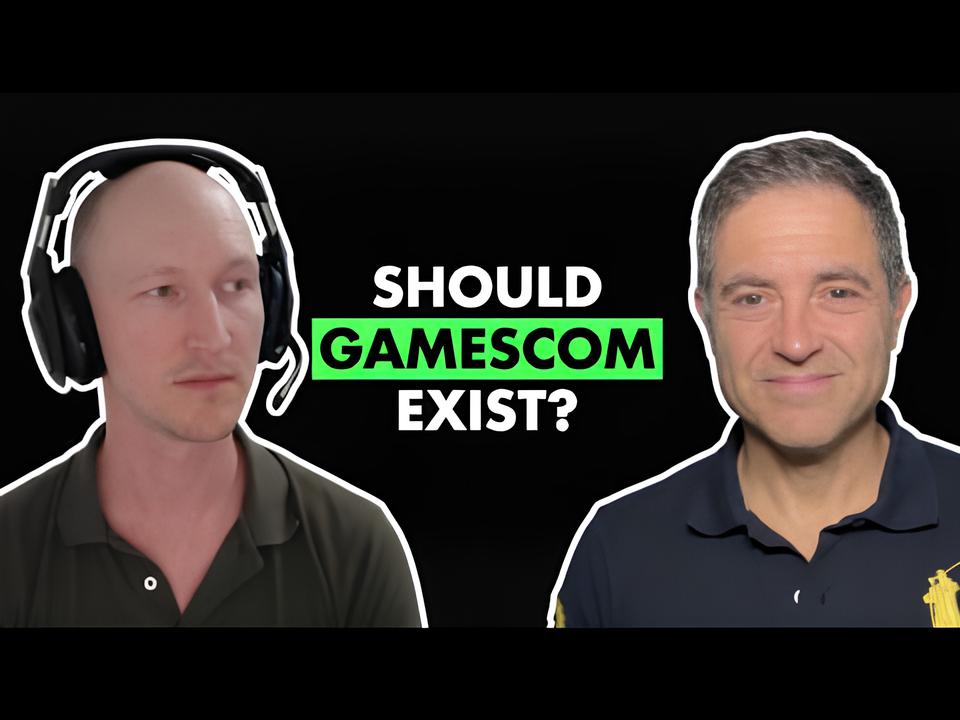
Is Gamescom truly an investment, or is it at risk of becoming just a cost? Pietro Faccio and Gustav Nisser reflect on the ROI of events, the value of relationships, and what happens after the conference.