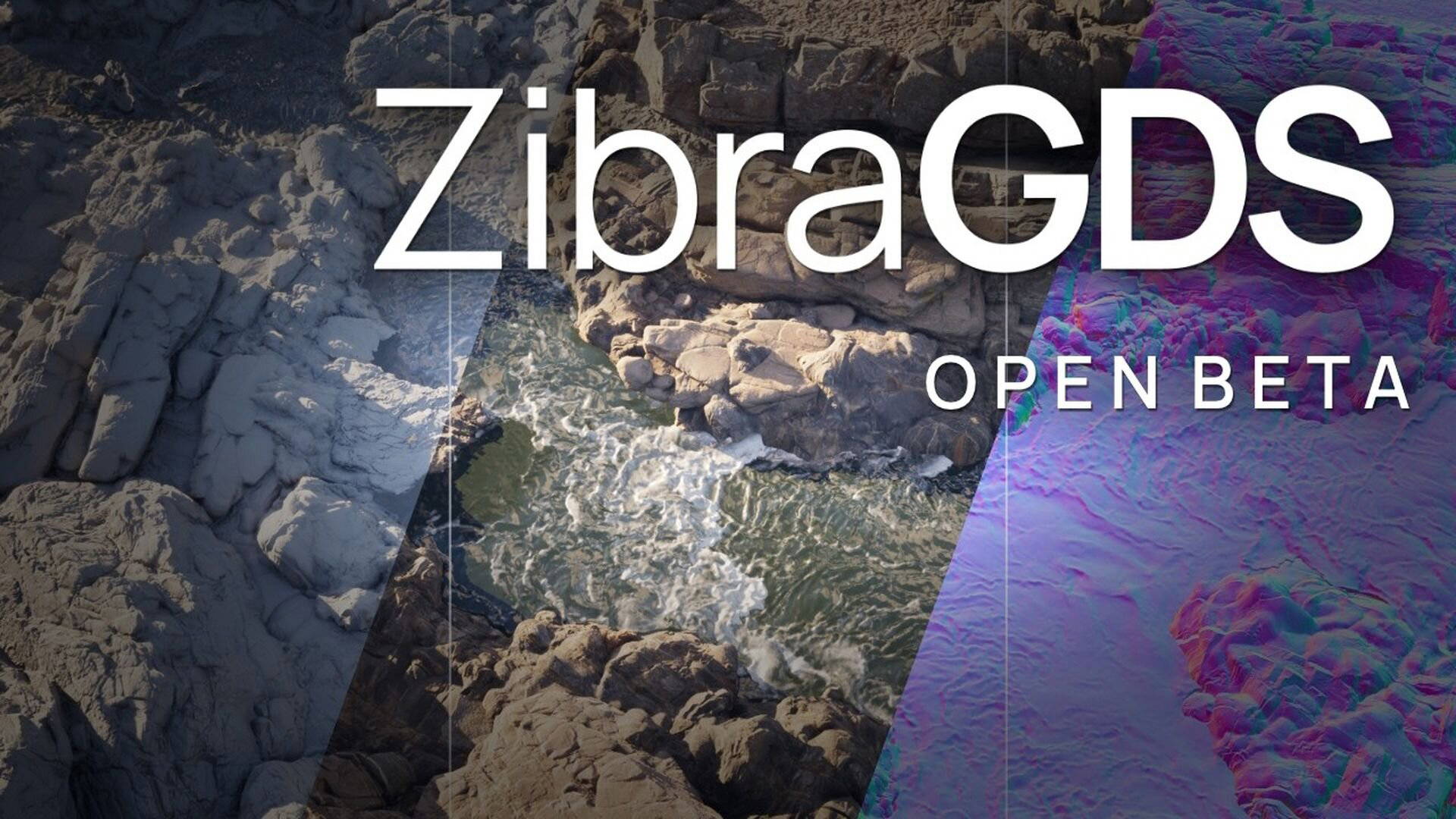
ZibraGDS: New Zibra AI technology that brings complex real-time simulations to Unreal Engine
Zibra AI continues its development of ZibraGDS (Geometry Data Structure), a new technology designed to compress and play back huge sequences of geometry in real time within Epic Games Unreal Engine.
For those working with visual effects, cinematics, virtual production and complex simulations, this is a new development that could radically change their workflow.
What is ZibraGDS?
ZibraGDS is an experimental plugin for Unreal Engine that allows you to import and display very large simulation caches — such as destruction, fluids, fabrics and soft bodies — with significantly higher performance than the engine's native tools.
Basically, the software takes large animation files (currently in Alembic format), compresses them efficiently and plays them back using optimized GPU pipelines.
The result is the ability to handle millions of polygons in real time, with much less impact on memory and bandwidth.
Those who use Unreal Engine to visualize SideFX Houdini simulations are well aware of the limitations of traditional solutions:
Geometry Cache, which can quickly become a bandwidth bottleneck.
Vertex Animation Textures (VAT), which are very efficient but have restrictions on the number of frames and vertex density.
ZibraGDS aims to be a more flexible and scalable alternative. According to Zibra AI, the technology can reduce file sizes by about 10x and increase frame rates by up to 10–15x compared to traditional workflows.
A natural evolution after ZibraVDB
Zibra AI is already known for ZibraVDB, a technology that allows you to compress and display volumetric effects like smoke and fire in real time.
ZibraGDS extends the same concept to animated geometry: instead of optimizing volumes, it optimizes meshes and simulation caches, making it possible to bring extremely detailed scenes into Unreal without sacrificing quality or fluidity.
Use Cases
The applications are numerous:
Game cinematics
Virtual production
Previsualization
Advertising
Scientific visualization
Machine learning and synthetic data
Supported simulations include:
Liquids and splashes
High-complexity destruction
Cloth and drapes
Soft bodies and advanced deformations
Availability
The plugin is currently in open beta for anyone who wants to test it.
Neither the final price nor an official release date have been announced at this time.
Why it could revolutionize real-time VFX
In recent years, Unreal Engine has become a standard not only for video game development, but also for film and television production.
However, managing highly complex simulations has always been a major obstacle.
With ZibraGDS, artists and technical directors could import cinematic-quality simulations directly into the engine, without having to heavily simplify the data.
This means:
Greater visual fidelity
Faster workflows
Reduced optimization times
Richer and more realistic real-time experiences
For more information, you can find some useful links below:
Latest posts

Buona la Prima - Episodio 67
Gamescom 2026 shows signs of recovery for the video game industry: more professionals, more indie studios, and greater interest in AI and automation. Between optimism and transformation, the sector is once again looking to the future with confidence.

Buona la Prima - Episodio 66
Sony Tax, PS6, and the future of gaming: Pietro Faccio and Sergio Rocco analyze the shift from physical to digital, the role of subscriptions, and how the used market could change the real cost of video games.

Buona la Prima - Episode 65
Is Gamescom truly an investment, or is it at risk of becoming just a cost? Pietro Faccio and Gustav Nisser reflect on the ROI of events, the value of relationships, and what happens after the conference.